


In the hot summer, family members who love popsicles are all thinking about buying a silicone ice cube molds. Making your own popsicles at home is not only convenient but also a lot of fun. It’s a great way to treat your family, impress your guests, or just have a stash of cool goodies ready for those scorching days. We all know that popsicles can be a sweet escape when the weather gets hot or even when you’re feeling a little under the weather. Here are some tips before and after buying popsicle molds. I hope they can help you.
☰ Table of Contents ▼
Ⅰ. Choosing the Right Ice pop Mold: Plastic vs. Silicone
Ⅱ. Sfety and Material Considerations
Ⅲ. How to Remove Popsicles from Silicone Molds
Ⅳ. How to Use Silicone Popsicle Molds
Ⅴ. Popsicle Silicone Molds Cleaning and Maintenance
Ⅰ. Choosing the Right Ice pop Mold: Plastic vs. Silicone
In the world of culinary convenience, the choice of an ice cube mold might seem trivial, but it can greatly impact your daily life. they are available in a variety of materials, with silicone and plastic being the most popular options. They come in various shapes and sizes, with some specifically designed for easy removal of the popsicles. Most people are familiar with the standard plastic ice cube trays that often come bundled with their refrigerators. However, the lesser-known silicone popsicle molds have gained popularity in recent years. Let’s break down the advantages and disadvantages of plastic and silicone ice block mold.
Plastic Ice Cube Molds:
| Pros | Cons |
|---|---|
| Budget-friendly | Lack of lid |
| Commonly available | Challenging ice cube removal |
| Prone to becoming brittle at low temperatures |
Silicone Ice Cube Molds:
| Pros | Cons |
|---|---|
| Durability | Quality concerns in lower-priced options |
| Ease of ice cube removal | Potential for unpleasant odors if low-quality silicone is used |
| Versatility in mold designs |
Ⅱ. Sfety and Material Considerations
Plastic molds are usually affordable and easy to find. Most plastic molds lack a lid, leading to issues such as spillage and contamination when filling the tray, and challenges in storing the tray without a lid. Extracting ice cubes from plastic molds can be a tough task, with cubes often sticking and the rigid material making extraction challenging. They are generally non-toxic when used at low temperatures, making them a safe choice for crafting frozen delights. However, it’s essential to consider that plastic can become brittle at low temperatures, which may impact their longevity and effectiveness.
On the other hand, silicone molds are naturally non-toxic and designed to endure both low and high temperatures without any change in their properties or chemical reactions. Offer durability and easy ice cube removal, avoiding the hassle of broken cubes. They come in various creative designs, you can find molds that create traditional cube-shaped ice, spherical ice, or even fun shapes like animals and unique designs. In rare cases, lower-quality silicone may emit odors when exposed to heat, affecting the taste of your frozen treats. To avoid this, opt for high-quality, food-grade silicone molds.
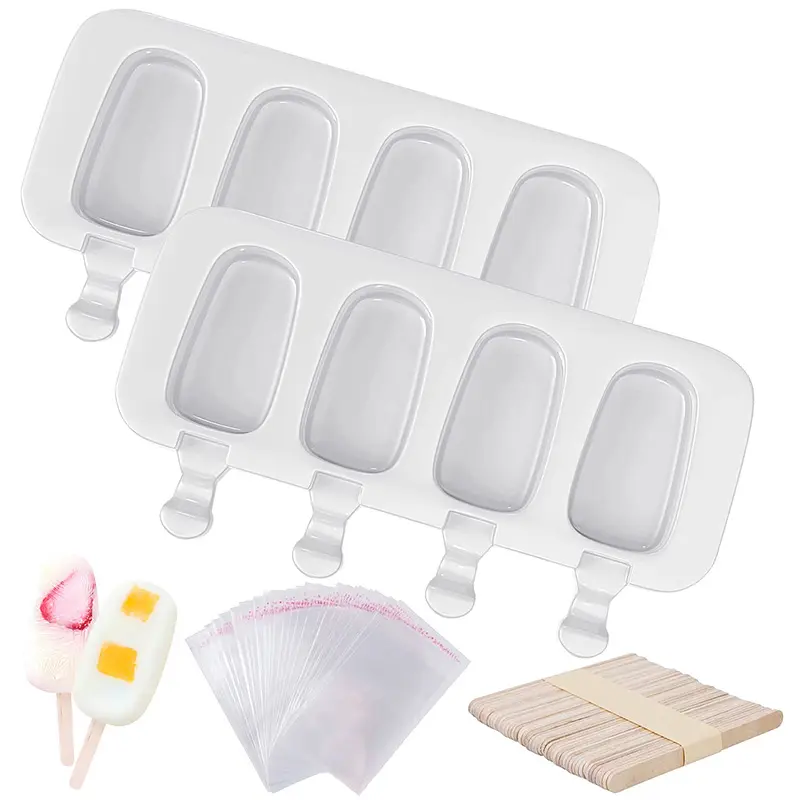
While plastic molds may save a few bucks, they often bring a host of frustrations. What makes silicone stand out is its exceptional safety and long-term durability. So, when it comes to choosing ice cube molds, silicone stands as the undisputed champion. If you’re considering molde paleta silicona, it’s crucial to choose high-quality options from reputable manufacturers. When purchasing, make sure that the silicone used is food-grade safe and has passed certifications such as FDA standards and LFGB standards, guaranteeing safe contact with food.
Ⅲ. How to Remove Popsicles from Silicone Molds:
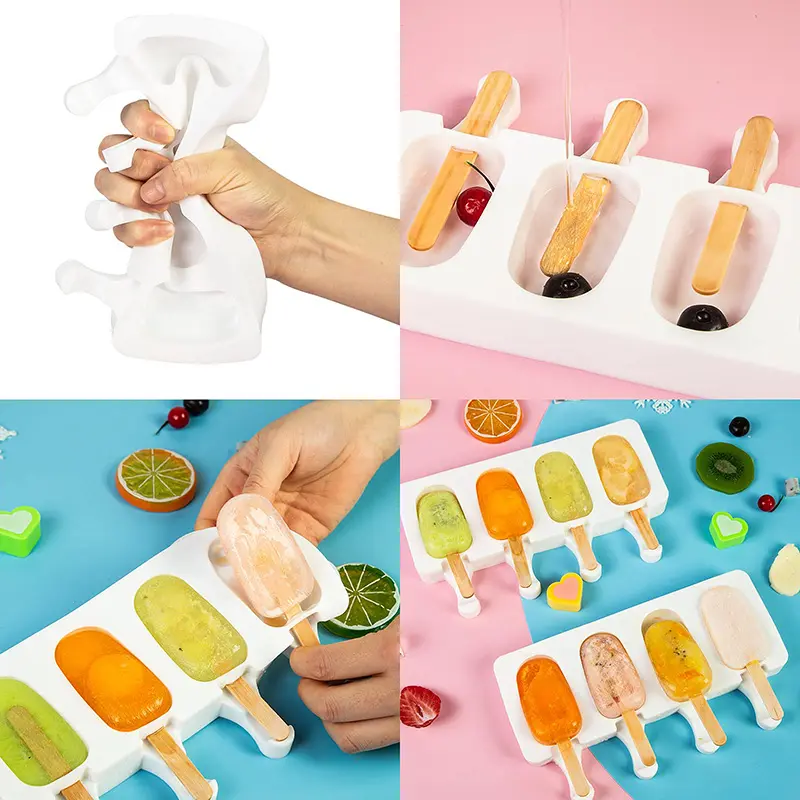
Removing popsicles from silicone molds is a straightforward process. Follow these steps:
Complete Freezing:
Ensure the popsicles are completely frozen in the freezer. This may take several hours, depending on the size of the popsicles and your freezer’s temperature. Full freezing ensures the popsicles maintain their shape when removed.
Soak in Warm Water:
Remove the silicone mold and gently soak the bottom or the entire mold in warm water for about 10 to 30 seconds. This softens the connection between the popsicle and the mold, making removal easier.
Gentle Tapping or Twisting:
Gently tap the bottom of the silicone mold or try a gentle twisting motion to help release the popsicle. The softness of silicone should allow for easy removal.
Handle with Care:
When removing popsicles, be cautious and avoid using excessive force to prevent damage to the mold or the popsicles. If you encounter resistance, stop, re-soak the silicone mold, and try again gently.
Utilize Pushers:
Some silicone popsicle molds have pushers or other auxiliary tools to help push out the popsicles. If your mold has this feature, you can use it to make removing the popsicles easier.
Note, do not use sharp objects (such as knives) to try to remove the popsicles to avoid scratching or damaging the silicone molds. Follow the steps above and you should be able to easily remove the popsicles and enjoy a delicious frozen treat.
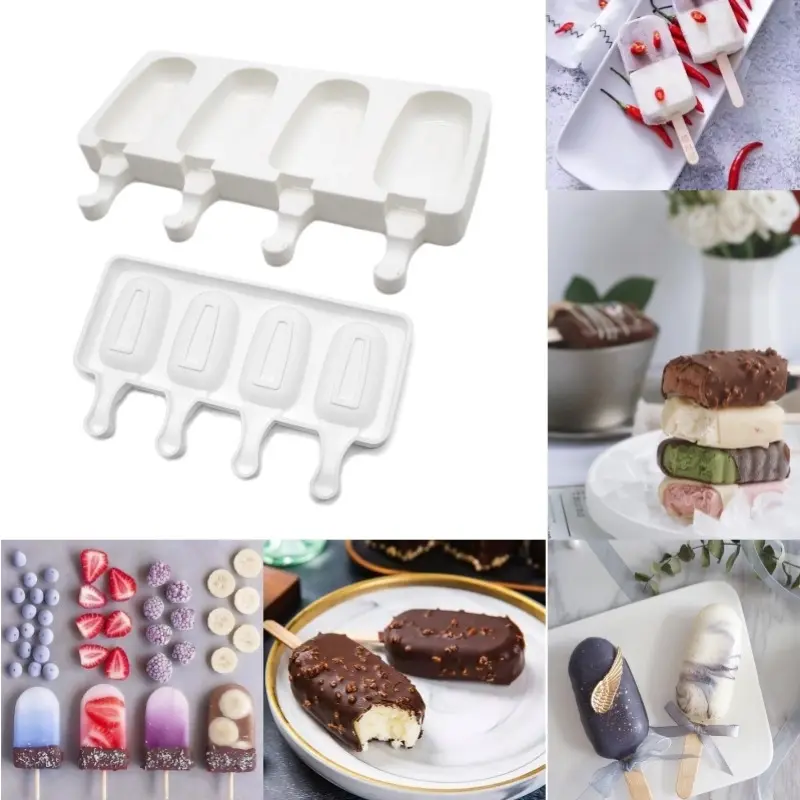
Ⅳ. How to Use Silicone Popsicle Molds:
Clean the Mold:
After the first and every use, wash with hot water (diluted detergent) or put it in the dishwasher. Do not use abrasive detergent or foam. Make sure the silicone molds are completely dry before each trial and before storage.
Bake Separately:
When baking, the silicone molds should be placed separately on a flat baking sheet. Never let the mold dry bake, for example, if one person bakes the mold six times in a row, you will only fill it up 3 molds, the other 3 molds must be filled with water. Otherwise, the mold will be burned out and its service life will be reduced. In order to achieve the best baking effect of baked products, you can lightly spray a small amount of anti-stick baking oil on the surface of the silicone mold before baking.
Let Cool:
When baking is completed, please remove the entire baking tray from the oven and place the baked product on a cooling rack until it is completely cool.
Use Environment:
Silicone molds can only be used in ovens, ovens, and microwave ovens. They cannot be placed directly on gas or electric stoves, nor can they be used directly above the heating plate or under the grill.
Avoid Cutting and Violence:
Do not use knives or other sharp tools to cut on the silicone, and do not press, pull, or violently treat the mold.
Dust-proof:
Silicone mold (due to static electricity), it easily attracts dust. When not used for a long time, it is best to put it in a paper plate and place it in a cool place.
Ⅴ. Popsicle Silicone Molds Cleaning and Maintenance
1. Clean Before First Use:
Before first use, you can use clean water or detergent to clean the mold to remove surface dust. If you are baking or filling the mold, apply a small amount of butter to the inside of the mold. When using multiple molds, be sure not to let the molds be in an empty firing state. You can add water to the empty tank to prevent empty firing.
2. Clean After Each Use:
After each use, you can soak the mold in diluted detergent for 10-30 minutes and then clean it with a soft cloth. Avoid using rough cleaning balls and other items to avoid scratching the mold’s surface. Please dry it after cleaning and put the mold in the storage box. Because silica gel easily absorbs static electricity and will absorb tiny particles and dust in the air, do not expose it directly to the air when not in use for a long time.
3. Placement in the Oven:
If used in the oven, make sure to place the mold in the middle of the oven, keeping a certain distance from the heating pipe, and keeping an appropriate distance from the four walls of the oven to avoid high temperature damage to the mold.
4. Deal with Cracks:
Some molds may have cracks, which have been cut at the factory to facilitate demolding. When using, make sure to take care of these cuts by covering them with plastic wrap or a rubber band and then pouring in the liquid.
Making your own popsicles is a fun and easy way to beat the heat ! Apart from the convenience they offer, creating your own popsicles allows you to explore different flavors and ingredients, such as fresh fruit purees and yogurt. By doing so, you have complete control over the ingredients used, enabling you to avoid artificial additives and instead choose wholesome, natural components. Enjoy your frozen creations and stay cool during the scorching summer with these tips and tricks for popsicle and ice cube molds!